
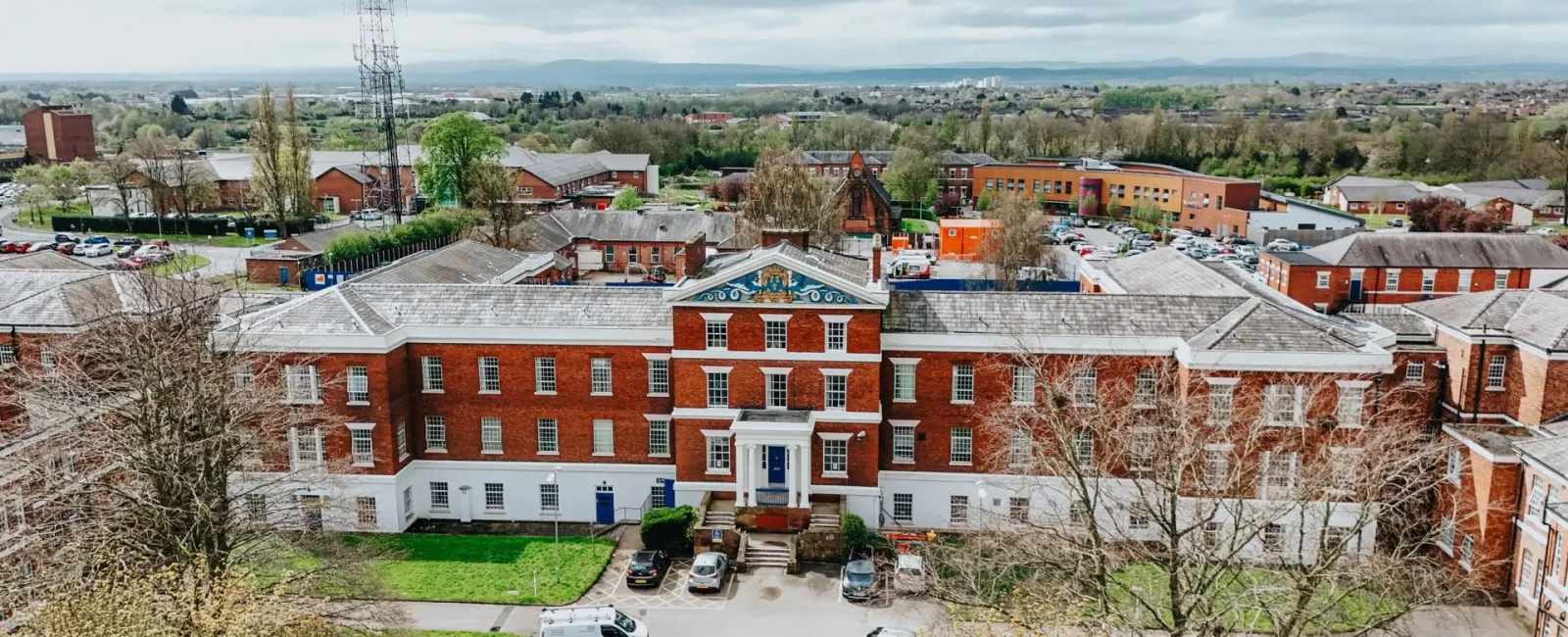
Countess of Chester – 1829 Building
Project Scope

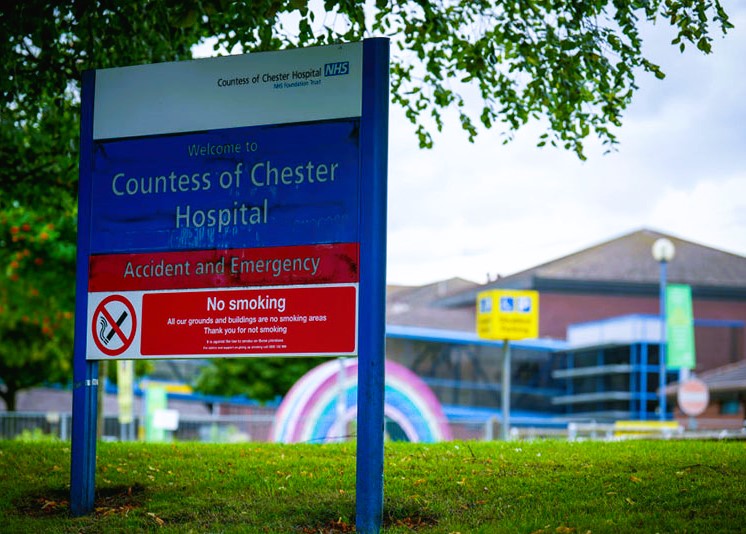
At the heart of Chester, the Countess of Chester Hospital has long served as a lifeline to the community. Krol Corlett was entrusted with the task of internal refurbishment of wards, damp proofing works and revitalising this vital institution.
Success in any endeavour hinges on the strength of its team. Because all works were undertaken in a live clinical environment, close collaboration with the relevant estates teams and managers was needed to ensure minimum disruption.
This project was internally led by our Health Care division, and supported by external partners, including Rowley-Szilagy LLP and Project Four Safety Solutions. Bringing together a group of dedicated professionals who shared a common goal: to enhance the Countess of Chester Hospital for generations to come.
Of course, as is the case with a lot of our sectors – enhanced DBS checks were all cleared to work in environments with young, elderly and/or vulnerable people.
Transformation
The clock was ticking, and our mission had a tight schedule – 16 weeks to make a difference.
Our role included everything from demolition, masonry repairs, M&E, plastering, damp proofing to internal renovations, flooring, fire doors and decorating. Each day was a step toward improving healthcare facilities for the community
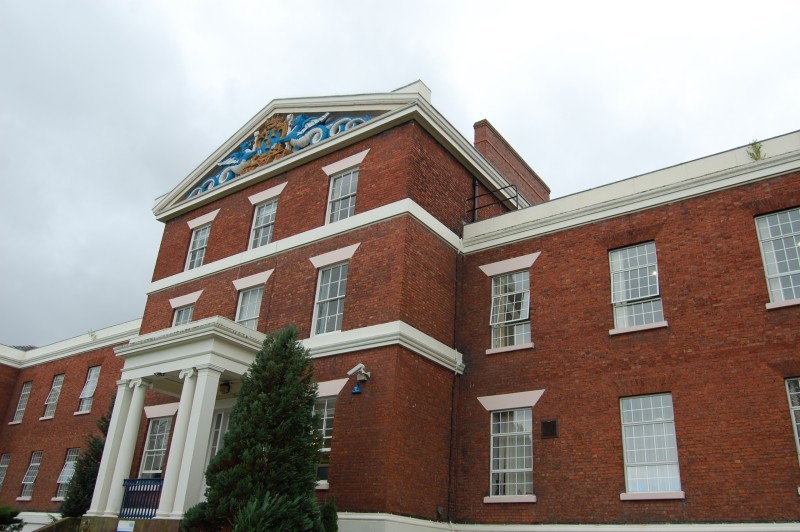
This project preserves the historical 1829 Building, a cherished part of Chester’s heritage, and contributes to a healthier, safer future for all.
Challenges
During the process, we encountered a number of complexities, most notably asbestos insulation debris within a basement service duct. Discoveries of this nature are never easy, as they raise immediate health and safety concerns and can disrupt project timelines. In this case, the presence of asbestos required a careful pause, specialist consultation, and a structured remediation plan to ensure compliance with regulations and the protection of everyone involved.
Findings like this underscore the importance of meticulous planning and strict adherence to safety protocols. While unforeseen conditions can challenge even the best-prepared projects, they also highlight the value of thorough risk assessments, clear communication, and coordinated responses. By prioritizing safety and collaboration, such challenges can be managed responsibly without compromising the integrity of the wider project.