

North Manchester General Hospital – Manchester University NHS Foundation Trust
Project Scope
Scope of Works
Krol Corlett Construction was appointed to deliver a series of phased refurbishment and adaptation works for Manchester University NHS Foundation Trust at North Manchester General Hospital as part of enabling works for the removal of RAAC concrete.
Delivered in a live hospital environment, the project demanded careful planning, close coordination with NHS staff, and phased programming to minimise disruption to patient care.
Work Completed

Works included layout reconfiguration, new clinical spaces, MEP upgrades, and specialist finishes to meet healthcare standards. Delivered in line with NHS specifications and infection prevention protocols, the project highlights Krol Corlett’s expertise in complex refurbishments within live hospital environments.
Phase 2:
Internal walls were reconfigured to suit the new layout, with new partitions, doors, ceilings, and finishes. Joinery, furniture, fixtures, and MEP systems were upgraded to match the revised design.
Phase 3:
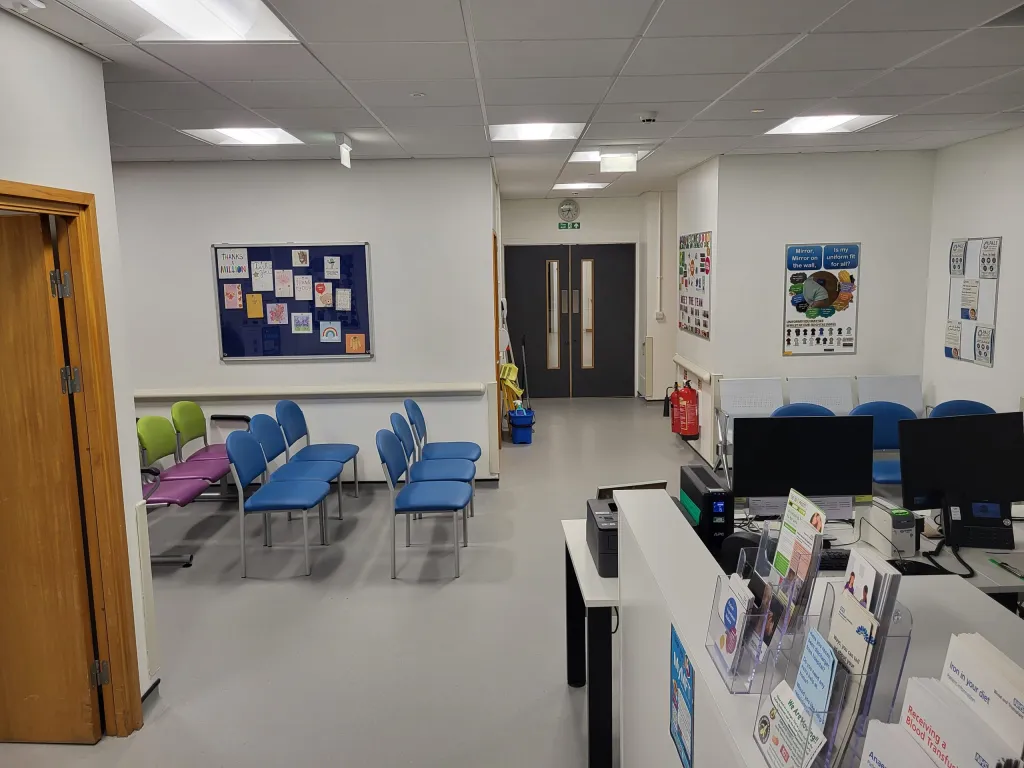
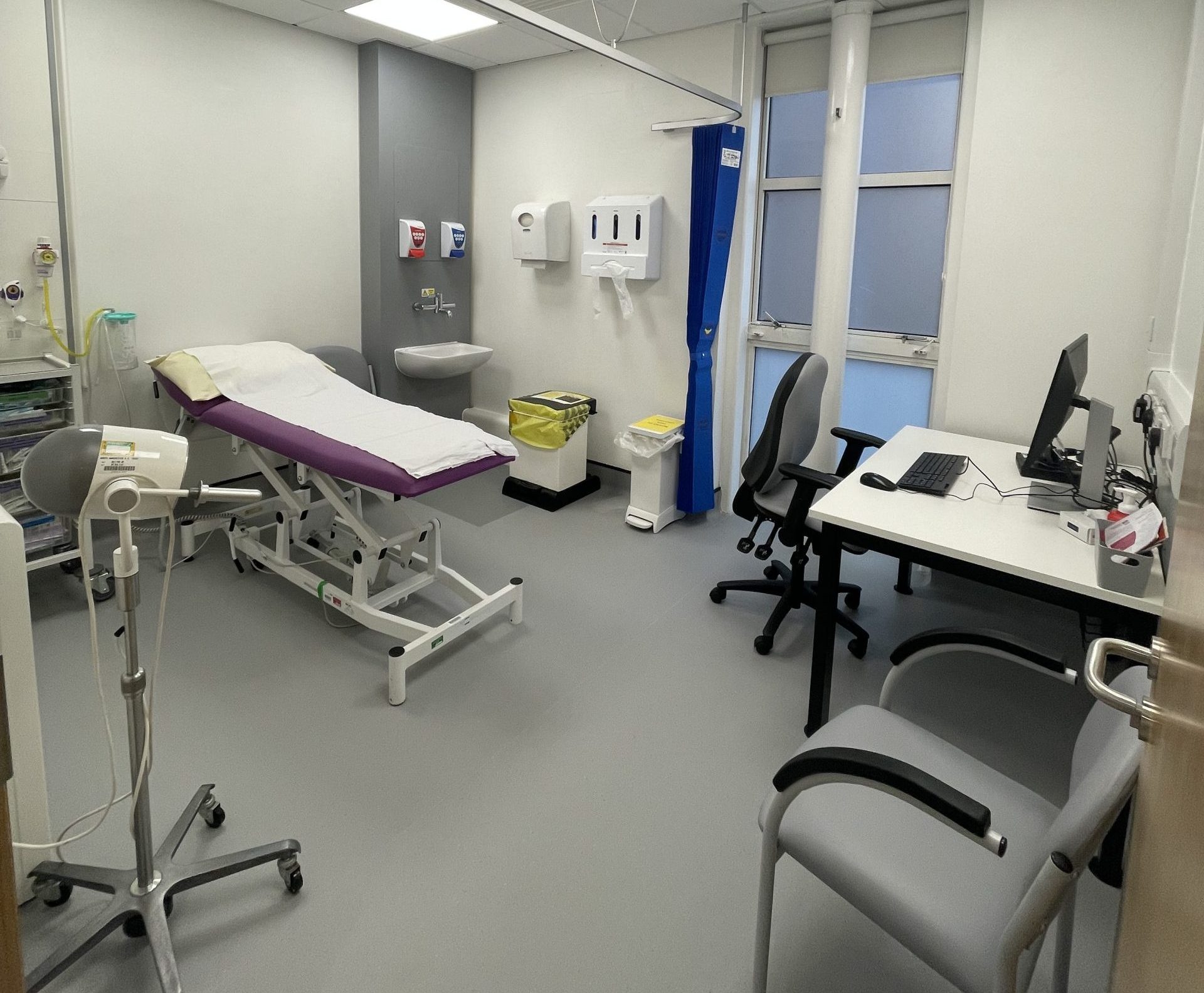
Layout changes created two exam rooms, a quiet room, and a scan room in the former discharge area, with full service provisions. An office was converted into a doctor’s office, with minor adjustments to staff areas. Flooring, ceilings, and ventilation were renewed, and new furniture, fittings, and specialist equipment installed.
Phase 5:
An intrusive asbestos survey and removal were completed per regulations. Enabling works for RAAC removal included forming an outpatient clinic, blood room, and new discharge lounge extension. The old discharge lounge was converted into clinic, consulting, and Gynaecology assessment rooms.
Overcoming Challenges
Works were undertaken within live hospital environments, often immediately adjacent to occupied wards and bedbound patients. This presented significant logistical and operational challenges, demanding exceptional planning, sequencing, and communication between the construction team, hospital management, and clinical staff.
To minimise disruption, all activities were meticulously programmed, with noisy or disruptive works scheduled outside of peak clinical hours wherever possible. The movement of materials, tools, and equipment through the hospital was tightly controlled, following predefined access routes and timing windows to prevent interference with patient care and emergency operations.
Waste removal and deliveries were coordinated through strict protocols to maintain cleanliness and avoid congestion within corridors and service areas. Robust infection prevention and control measures were implemented throughout, including dust suppression, isolation barriers, and negative air pressure systems where required.
‘Works would not have been completed without the collaborative working of all involved, client, Mace Project Management and supply chain.
Works were delivered by our specialist health team whose skills and experience came to the for on this scheme.’


